Tibet Tour
Tibet
Overview
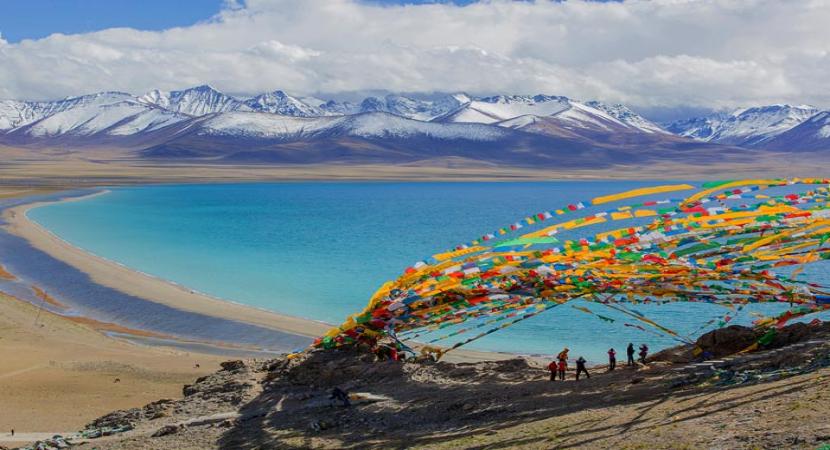
Tibet, often called the "Roof of the World," is a land of remarkable cultural, spiritual, and geographical significance. Situated on the vast Tibetan Plateau, it is home to towering Himalayan peaks—including the majestic Mount Everest—and stunning landscapes featuring expansive plateaus, pristine lakes, and rugged deserts. Tibet’s cultural heritage is deeply intertwined with Tibetan Buddhism, with iconic sites like the Potala Palace and Jokhang Temple standing as testaments to its rich spiritual traditions. The Tibetan people preserve a unique and resilient culture, expressed through vibrant art, music, and traditional customs. Historically, Tibet’s complex relationship with China has shaped its modern narrative, making it a focal point of international attention concerning issues of autonomy and human rights.
Day to Day Itinerary
Upon your arrival in Lhasa, you will be warmly welcomed by your English-speaking Tibetan guide and driver, who will escort you to your hotel. Nestled at 3,650 meters, Lhasa is one of the highest cities in the world, known for its unique beauty and rich cultural heritage.
Due to the high altitude, acclimatisation is essential. We prioritise your well-being and safety, encouraging you to stay well-hydrated and get plenty of rest to help minimise any symptoms of altitude sickness. Prepare yourself for a once-in-a-lifetime adventure! You will spend the night in Lhasa, resting and readying for the incredible journey ahead.
Meals Included
[-/-/-]
Accommodation
Hotel
On the second day, your journey begins with a visit to the iconic Potala Palace. Built in the 17th century under the guidance of the Fifth Dalai Lama, this magnificent palace offers stunning panoramic views of Lhasa. It served as the Dalai Lama’s private residence and houses numerous grand state rooms and sacred chapels.
Next, visit the revered Jokhang Temple, established in the 7th century by King Songtsen Gampo, a cornerstone of Tibetan spiritual heritage. As Tibet’s most sacred monastery, it provides a profound connection to the region’s rich spiritual heritage.
Afterwards, explore the bustling Barkhor Old Quarter, where you can join pilgrims from across the Tibetan plateau in performing a kora—a sacred circumambulation around the Jokhang Temple. In Tibetan Buddhism, a kora involves walking clockwise around sacred sites while reciting mantras, prayers, or sacred texts. This devotional practice is believed to bring blessings and good fortune to those who undertake it.
Meals Included
B/-/-
Accommodation
Hotel
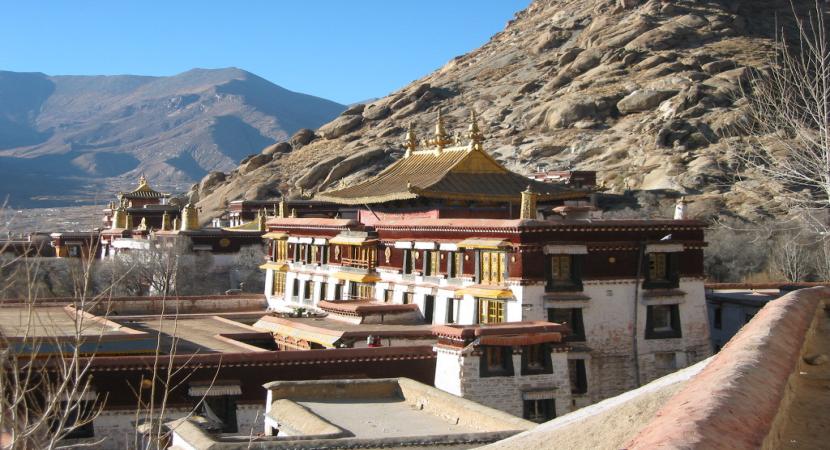
On your third day, you’ll visit two of Lhasa’s most important monasteries: Drepung and Sera.
After breakfast, head to Drepung Monastery, located just outside the city. It’s the largest monastery in Tibet and once home to around 7,000 monks. Founded in the 15th century, Drepung is one of the three main centres of learning for the Gelugpa School, also called the Yellow Hat Sect. Before the Potala Palace was built, this monastery served as the Dalai Lama’s residence.
In the afternoon, visit Sera Monastery, famous for its lively monk debates. Here, monks challenge each other with questions and arguments about Buddhist teachings, creating a unique and energetic atmosphere. Watching these debates is a fascinating glimpse into Tibetan monastic life and philosophy.
Meals Included
B/-/-
Accommodation
Hotel
On day four, you’ll leave Lhasa behind and head west toward Shigatse, Tibet’s second-largest city, aiming to arrive by evening.
Your drive takes you over the Kampa-la Pass at 4,797 meters, where you’ll be rewarded with spectacular views of Mt. Noijin Kangsang, a towering peak reaching 7,206 meters, alongside the brilliant turquoise waters of the sacred Yamdrok-Tso Lake—a truly unforgettable sight.
Further along, you’ll cross the Karo-la Pass at 5,050 meters, where a glacier clings dramatically to the roadside, offering a striking and awe-inspiring view.
Before reaching Shigatse, you’ll stop in the charming town of Gyantse. Here, you can explore the impressive Pelkor Chode Monastery and its famous Kumbum Stupa, known for its intricate Tibetan murals. Climb to the top of the stupa to take in stunning panoramic views of the ancient Gyantse Dzong Fortress, standing proudly above the valley—a memorable introduction to the adventures that lie ahead.
Meals Included
B/-/-
Accommodation
Hotel
On the fifth day, your journey follows the course of the Yarlung Tsampo River (also known as the Brahmaputra), taking you along the most direct route back to Lhasa via the famous Friendship Highway.
The day begins early with a visit to the impressive Tashilhunpo Monastery, founded in the 15th century by the first Dalai Lama and now the traditional seat of the Panchen Lama.
Along the way, you’ll make a brief stop to discover the ancient Tibetan art of incense-making, gaining insight into this fragrant cultural tradition.
The remainder of the day is yours to enjoy at leisure in Lhasa, offering the perfect opportunity to explore the city on your own and reflect on your unforgettable Tibetan adventure.
Meals Included
B/-/-
Accommodation
Hotel
On the sixth day, you will be transferred from your hotel to the airport for your onward journey. We wish you a safe and pleasant departure.
Meals Included
B/-/-
Terms & Condition
A deposit amounting to 30% of the total invoice value must be paid at the time of booking to secure and confirm all arrangements.
The remaining balance (70%) must be paid no later than 50 days before the arrival date of the guests.
Any changes to the booking after confirmation may incur additional charges and will be subject to availability.
Cancellation Policy
Cancellation made within 50 days of the arrival date: 50% of the total invoice amount will be charged.
Cancellation made within 40 days of the arrival date or later: 100% of the total invoice amount will be charged.
No refunds will be provided for no-shows or unused services after the commencement of the tour.

Tibet Tour
Tour Itinerary
Arrival in Lhasa [3650m]
Upon your arrival in Lhasa, you will be warmly welcomed by your English-speaking Tibetan guide and driver, who will escort you to your hotel. Nestled at 3,650 meters, Lhasa is one of the highest cities in the world, known for its unique beauty and rich cultural heritage.
Due to the high altitude, acclimatisation is essential. We prioritise your well-being and safety, encouraging you to stay well-hydrated and get plenty of rest to help minimise any symptoms of altitude sickness. Prepare yourself for a once-in-a-lifetime adventure! You will spend the night in Lhasa, resting and readying for the incredible journey ahead.
Lhasa Sightseeing
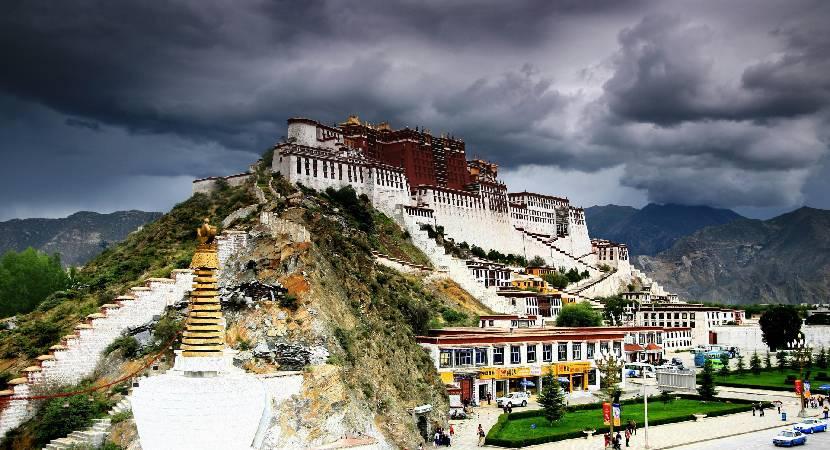
On the second day, your journey begins with a visit to the iconic Potala Palace. Built in the 17th century under the guidance of the Fifth Dalai Lama, this magnificent palace offers stunning panoramic views of Lhasa. It served as the Dalai Lama’s private residence and houses numerous grand state rooms and sacred chapels.
Next, visit the revered Jokhang Temple, established in the 7th century by King Songtsen Gampo, a cornerstone of Tibetan spiritual heritage. As Tibet’s most sacred monastery, it provides a profound connection to the region’s rich spiritual heritage.
Afterwards, explore the bustling Barkhor Old Quarter, where you can join pilgrims from across the Tibetan plateau in performing a kora—a sacred circumambulation around the Jokhang Temple. In Tibetan Buddhism, a kora involves walking clockwise around sacred sites while reciting mantras, prayers, or sacred texts. This devotional practice is believed to bring blessings and good fortune to those who undertake it.
Exploring Lhasa’s Monastic Heritage
On your third day, you’ll visit two of Lhasa’s most important monasteries: Drepung and Sera.
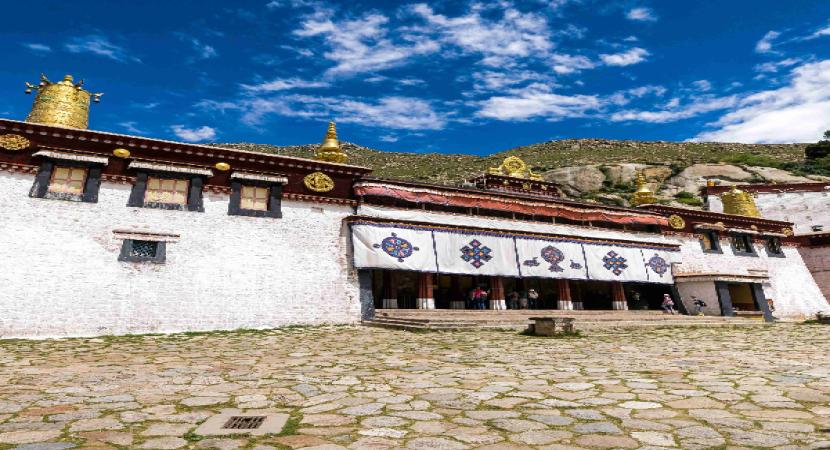
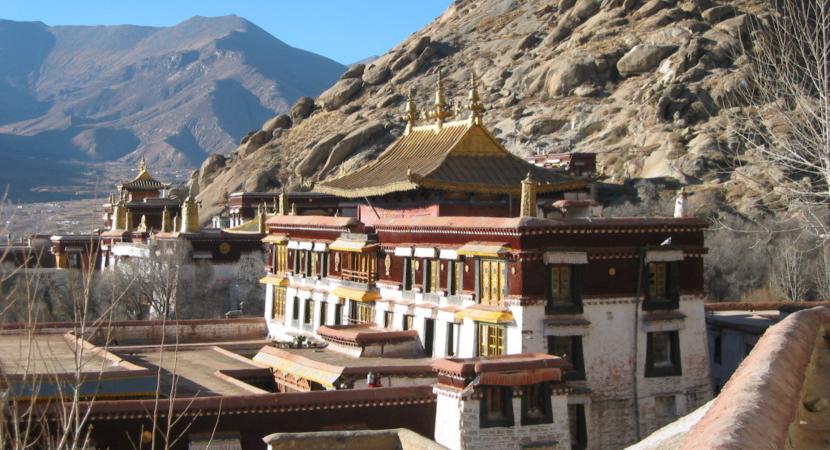
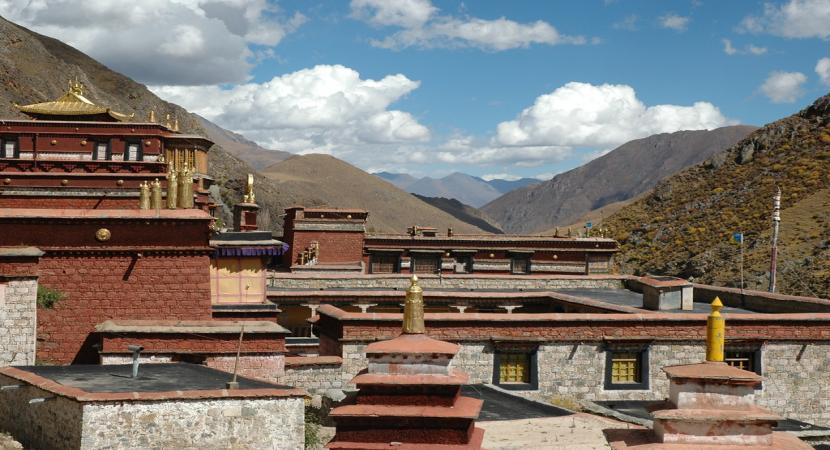
After breakfast, head to Drepung Monastery, located just outside the city. It’s the largest monastery in Tibet and once home to around 7,000 monks. Founded in the 15th century, Drepung is one of the three main centres of learning for the Gelugpa School, also called the Yellow Hat Sect. Before the Potala Palace was built, this monastery served as the Dalai Lama’s residence.
In the afternoon, visit Sera Monastery, famous for its lively monk debates. Here, monks challenge each other with questions and arguments about Buddhist teachings, creating a unique and energetic atmosphere. Watching these debates is a fascinating glimpse into Tibetan monastic life and philosophy.
Lhasa to Shigatse [354 km, 3840m]
On day four, you’ll leave Lhasa behind and head west toward Shigatse, Tibet’s second-largest city, aiming to arrive by evening.
Your drive takes you over the Kampa-la Pass at 4,797 meters, where you’ll be rewarded with spectacular views of Mt. Noijin Kangsang, a towering peak reaching 7,206 meters, alongside the brilliant turquoise waters of the sacred Yamdrok-Tso Lake—a truly unforgettable sight.
Further along, you’ll cross the Karo-la Pass at 5,050 meters, where a glacier clings dramatically to the roadside, offering a striking and awe-inspiring view.
Before reaching Shigatse, you’ll stop in the charming town of Gyantse. Here, you can explore the impressive Pelkor Chode Monastery and its famous Kumbum Stupa, known for its intricate Tibetan murals. Climb to the top of the stupa to take in stunning panoramic views of the ancient Gyantse Dzong Fortress, standing proudly above the valley—a memorable introduction to the adventures that lie ahead.
Shigatse – Lhasa [272 km, 3650m]
On the fifth day, your journey follows the course of the Yarlung Tsampo River (also known as the Brahmaputra), taking you along the most direct route back to Lhasa via the famous Friendship Highway.
The day begins early with a visit to the impressive Tashilhunpo Monastery, founded in the 15th century by the first Dalai Lama and now the traditional seat of the Panchen Lama.
Along the way, you’ll make a brief stop to discover the ancient Tibetan art of incense-making, gaining insight into this fragrant cultural tradition.
The remainder of the day is yours to enjoy at leisure in Lhasa, offering the perfect opportunity to explore the city on your own and reflect on your unforgettable Tibetan adventure.
Final Departure
On the sixth day, you will be transferred from your hotel to the airport for your onward journey. We wish you a safe and pleasant departure.
Frequently Asked Questions
Do I need special permits to travel to Tibet?
Should I be concerned about altitude sickness?
What type of accommodation will be provided?
What should I pack for the trip?
Will I have internet access in Tibet?
Include & Exclude
- Private vehicle transfers for arrival and departure
- All entrance and monument fees as outlined in the itinerary
- Guided sightseeing tours with a local English-speaking Tibetan guide
- All transfers as per the program by private vehicle
- 4 nights’ accommodation in Lhasa on a double/twin sharing basis on a BB plan
- 1 night’s accommodation in Shigatse on a double/twin sharing basis on a BB plan
- International airfare and airport taxes
- Chinese visa fees (quoted separately). Personal expenses
- Personal travel insurance
- Additional expenses arising from unforeseen circumstances
Things To Know
High Altitude: Take it slow upon arrival to avoid altitude sickness. Stay hydrated and rest well.
Permits Required: You need both a Chinese visa and a Tibet Travel Permit—we’ll arrange the latter.
Guided Travel Only: Independent travel isn’t allowed. All tours must be guided and pre-approved.
Weather Varies: Pack for both warm days and chilly nights. Layers are key.
Cultural Respect: Walk clockwise around sacred sites and don’t touch religious objects.
Health First: Bring personal medication and consult your doctor about altitude precautions.
Limited Internet: Wi-Fi is available but slow; many global apps and sites are restricted.
Cash Recommended: Use Chinese Yuan—ATMs are limited outside major cities.
Photo Etiquette: Always ask before taking photos of people or inside temples.
Respect Local Ways: Be mindful of traditions, nature, and the deep spiritual culture.
Things To Carry
- Warm Clothing: Thermal layers, down jacket, hat, gloves — even in summer.
- Sturdy Footwear: Good walking shoes or trekking boots for uneven terrain.
- Sun Protection: Sunglasses, sunscreen, lip balm (high UV at altitude).
- Travel Documents: Passport, Chinese visa, Tibet Travel Permit (we’ll arrange the permit).
- Cash: Chinese Yuan, especially for areas with no ATM or card access.