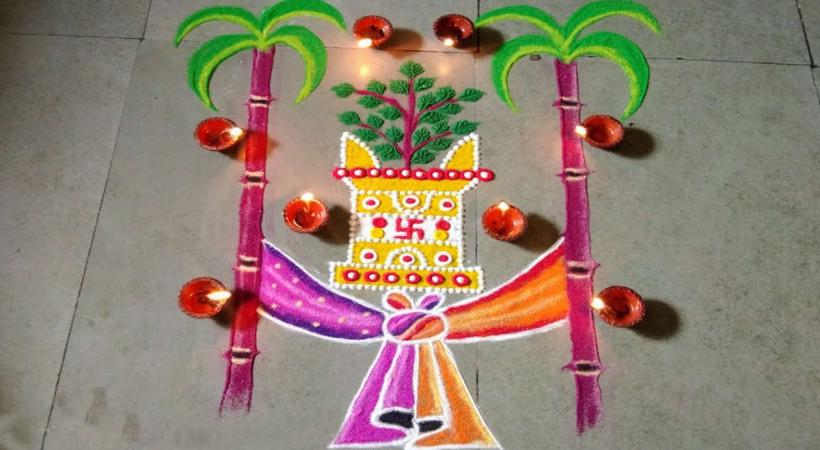
Tulsi Vivah is a significant Hindu festival celebrated in Nepal and India, marking the ceremonial marriage of the sacred Tulsi plant (holy basil) to Lord Vishnu or his avatar, Shaligram. It typically falls in the month of Kartik (October–November), shortly after the festival of Diwali, and symbolizes the beginning of the auspicious wedding season in Hindu culture. The festival underscores the spiritual importance of Tulsi, which is revered for its medicinal properties and its role in Hindu worship and household rituals.
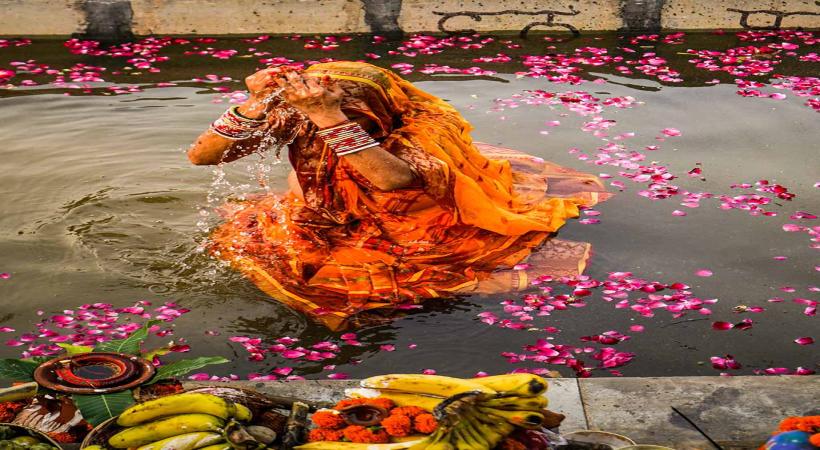
The central ritual of Tulsi Vivah involves decorating the Tulsi plant with flowers, threads, and ornaments, and arranging a symbolic wedding with Shaligram or an image/statue of Lord Vishnu. Priests or family elders conduct the wedding ceremony, including chanting mantras, performing aarti (ritual worship with lamps), and offering sweets and other ceremonial items. Devotees believe that participating in the rituals brings prosperity, health, and harmony to the household.
The festival is also a social and cultural event, where families gather, dress in traditional attire, and celebrate together. In many communities, songs, prayers, and storytelling accompany the rituals, providing a vibrant atmosphere of devotion and festivity. Tulsi Vivah serves not only as a religious observance but also as a way to reinforce family bonds, cultural heritage, and community participation, making it a cherished festival in Nepalese Hindu tradition.