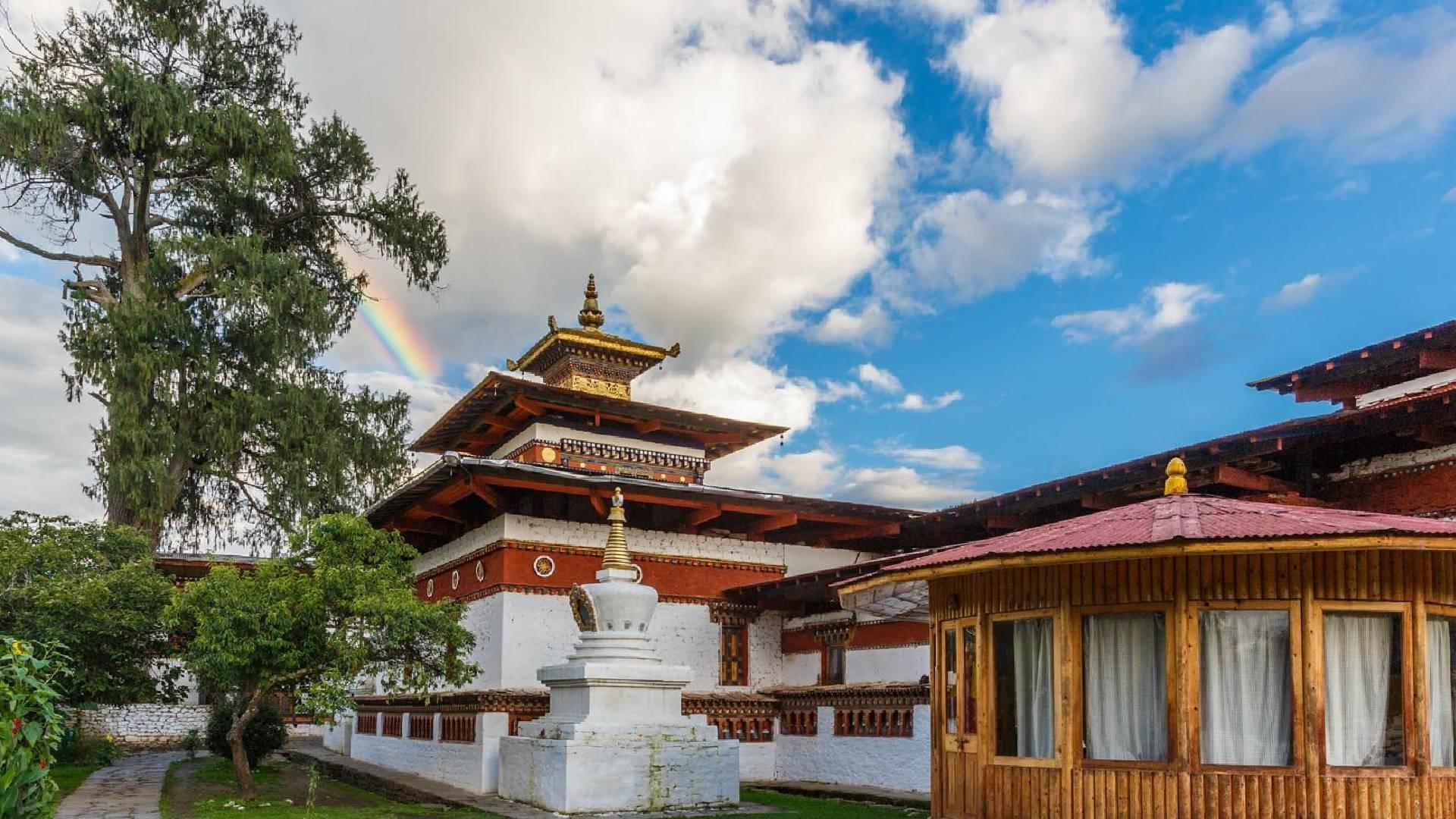
Bhutan Tour
Bhutan
Overview
Bhutan, known as the “Land of the Peaceful Dragon,” is a mystical kingdom where nature, culture, and spirituality exist in perfect harmony. Blanketed by vast forests and dotted with revered monasteries and mighty Dzongs, its landscapes are shaped by centuries of tradition and natural splendor. Rolling green valleys nourished by glacial rivers cradle terraced fields and clusters of houses adorned with trefoil-shaped windows, reflecting the nation’s distinctive architectural style. Life here moves to the rhythm of ancient customs, guided by a deep-rooted sense of faith and community.
Day to Day Itinerary
As you land at Paro International Airport, a friendly representative will be there to welcome you and guide you on the scenic drive to Thimphu, the bustling heart of Bhutan. The drive itself is a delightful introduction to the country, taking you through winding roads that reveal picturesque villages and the serene beauty of the Bhutanese countryside.
During the drive, you will make a stop at Tamchhu Lhakhang, where you can explore its peaceful surroundings. Nearby is an impressive iron mesh suspension bridge, a remarkable structure built in the 13th century by the Tibetan saint Thangtong Gyalpo. Renowned as both a blacksmith and an architect, he crafted this bridge, which still stands as a testament to his ingenuity. After this visit, you will continue your journey to your hotel in Thimphu to relax and prepare for the adventures ahead.
Meals Included
[-/L/D]
Accommodation
Hotel
After breakfast, you will head to Kuensel Phodrang, widely known as Buddha Point, located on a peaceful hill within a nature reserve overlooking the southern entrance of Thimphu Valley. The large Buddha statue here is based on an ancient prophecy from the 8th century and was rediscovered by a revered spiritual figure centuries later. It is believed to bring calm and positive energy to all who visit.
From there, enjoy a gentle hike through fragrant blue pine forests to Changgangkha, taking in beautiful views of the valley below. This path was originally created as a cycling route but works wonderfully for hikers, offering a quiet, scenic walk through nature.
Next, you'll visit Motithang Takin Preserve. This area used to be a small zoo, but it was closed after Bhutan’s fourth king felt that a zoo conflicted with Bhutanese values about nature and spirituality. After the animals were freed, some of the tame takins stayed near town, so this preserve was created to protect them while allowing them to roam naturally. Early morning is the best time to see these animals feeding near the fences.
Afterward, stop by the Memorial Chorten, a prominent Buddhist monument built in memory of the third king. This white structure topped with golden spires serves as a spiritual focal point for locals, who come here daily to pray and walk around the stupa.
In the evening, explore Tashichho Dzong, an imposing fortress located on the edge of Thimphu beside the Wang Chu River. This dzong functions as the administrative hub of Bhutan’s government and the center for the monastic community. It also houses the King’s throne room. The current building was remodeled during the reign of the third king, when the capital was moved to Thimphu. Visitors can access its courtyard during special events or outside government working hours.
Meals Included
B/L/D
Accommodation
Hotel
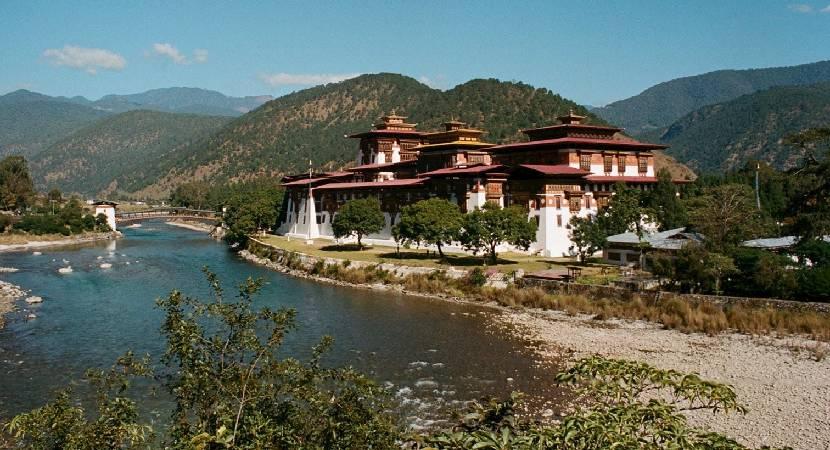
After breakfast, you will set out on a scenic drive to Punakha, a charming valley rich in history and natural beauty. Your first stop will be Punakha Dzong, famously known as the “Palace of Great Happiness.” This impressive fortress, built in 1637, is located where the Pho Chhu (father) and Mo Chhu (mother) rivers meet, creating a breathtaking setting. Once the capital of Bhutan, the dzong showcases exquisite Bhutanese architecture with its towering white walls, detailed wood carvings, and striking red roofs. Surrounding the dzong are manicured gardens and a graceful suspension bridge that adds to its picturesque charm. Inside, you’ll find sacred temples and halls, including the renowned Kinray, where vibrant religious festivals take place. Punakha Dzong remains an important spiritual and administrative center, offering visitors a deep insight into Bhutan’s cultural heritage.
Next, you will visit Chimi Lhakhang, affectionately known as the “Fertility Temple.” Founded in the 15th century by the legendary and colorful Lama Drukpa Kunley—often called the “Divine Madman” for his unorthodox teachings—this modest monastery sits amid lush rice paddies and rolling hills. The temple is famous for its vivid phallus paintings and carvings, believed to bring blessings of fertility and good fortune. Many couples come here seeking prayers for children. Reaching Chimi Lhakhang often involves a pleasant hike through the verdant countryside, making the journey itself a memorable part of the experience. This temple beautifully highlights Bhutan’s unique blend of spirituality, humor, and tradition.
Meals Included
B/L/D
Accommodation
Hotel
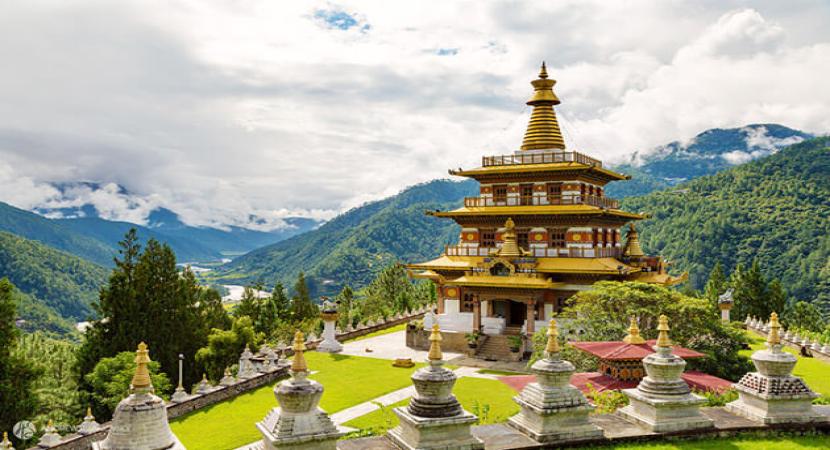
After breakfast, you will drive about 12 kilometers north of Punakha to begin a pleasant hike to Kham Sum Yulley Namgyal Chorten, an exquisite example of Bhutanese architectural and artistic heritage. The hike takes roughly an hour along a gently sloping trail lined with pine trees, offering refreshing views of the Punakha Valley below. Perched prominently on a ridge overlooking the upper Punakha Valley, the Chorten was constructed to dispel negative energies and foster peace, stability, and harmony in a rapidly changing world. From this vantage point, you can admire sweeping panoramas of the Mo Chhu River and the distant mountain peaks beyond Gasa.
This impressive four-story temple was commissioned by Her Majesty the Queen Mother, Ashi Tshering Yangdon Wangchuck, following sacred scriptures, and its construction took nine years to complete. It stands as a spiritual dedication to the well-being of Bhutan, its people, and all living beings.
Following the visit, you will explore the nearby village of Talon, known throughout the Punakha region for its remarkable cleanliness and well-maintained environment. The village is spread along hillside slopes, with charming farmhouses surrounded by colorful flower gardens. The hillsides are lush with crops such as corn and sweet peas, adding to the village’s peaceful rural charm.
At Talon Sanga Chholing, situated on a plateau, you will be treated to sweeping views of the surrounding countryside and neighboring villages. This serene spot perfectly captures the simple, wholesome lifestyle of Bhutan’s countryside.
Meals Included
B/L/D
Accommodation
Hotel
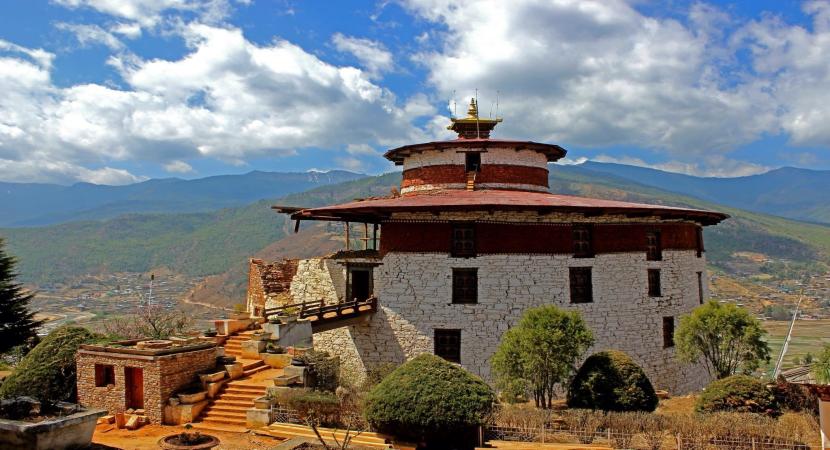
Today, you will journey back to Paro by road. In the late afternoon, explore the magnificent Paro Dzong, also known as Rinpung Dzong, which translates to “Fortress on a Heap of Jewels.” This stunning fortress is a prime example of traditional Bhutanese architecture and one of the country’s most famous and well-preserved dzongs.
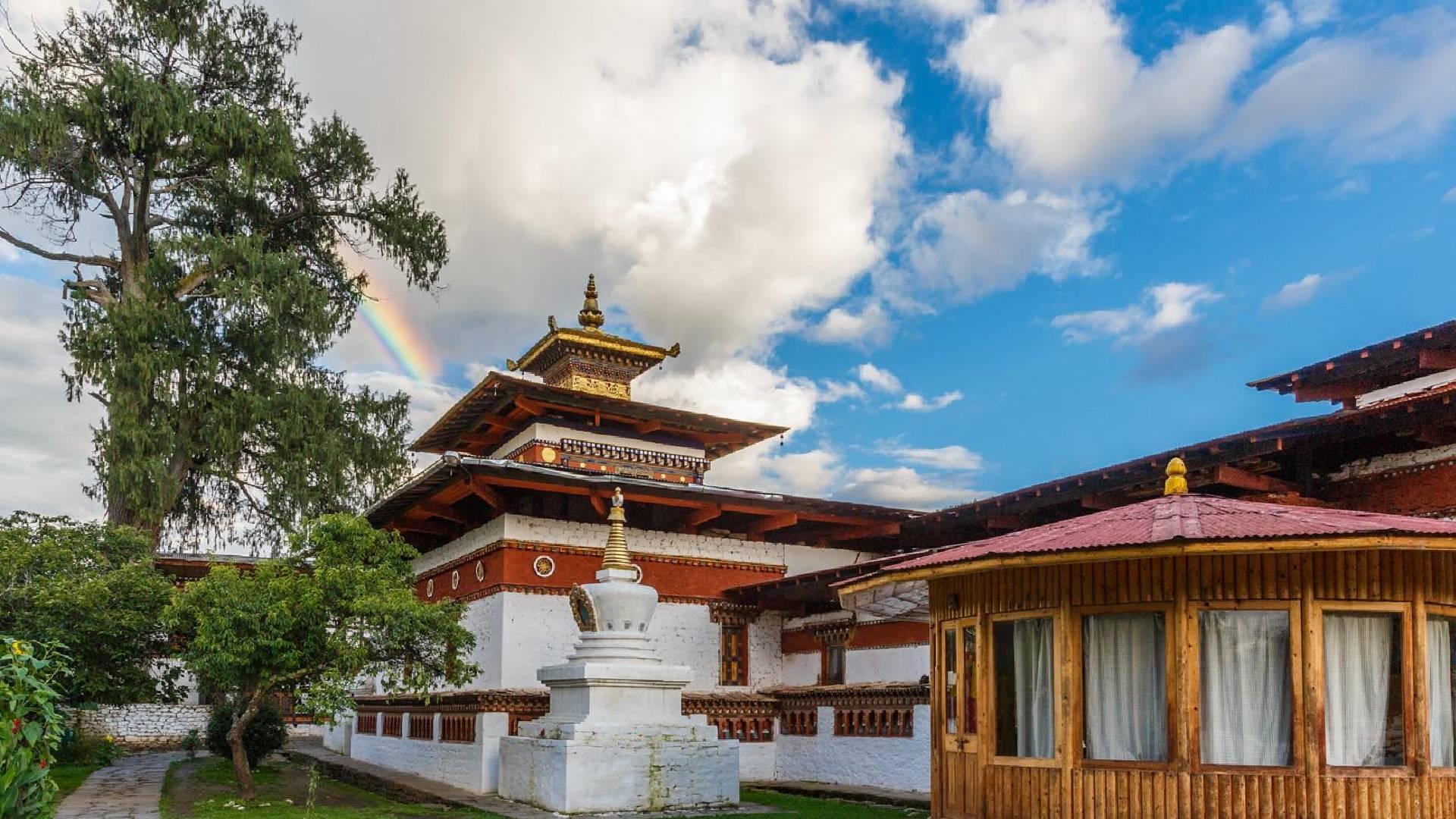
Nearby, you will visit Kyichu Lhakhang, a sacred Himalayan Buddhist temple dating back to the 7th century. As one of Bhutan’s oldest religious sites, it holds great significance. According to legend, Tibetan Emperor Songtsen Gampo constructed 108 temples across the region to pin down a powerful demoness who blocked the spread of Buddhism. Kyichu Lhakhang is said to pin down her left foot, while another temple in Bumthang restrains her left knee.
While here, you can participate in the ritual of offering butter lamps. This practice is considered highly auspicious, as the light from the flames symbolizes the wisdom of an awakened mind, dispelling darkness and ignorance.
Meals Included
B/L/D
Accommodation
Hotel
The hike to Taktsang Monastery, famously known as the “Tiger’s Nest,” is a breathtaking adventure perched high on a sheer cliff at around 3,000 meters above sea level. Built in 1694 and lovingly rebuilt after a devastating fire in 1998, this iconic monastery stands as a powerful symbol of Bhutan’s spiritual legacy. The journey up to Taktsang winds through lush forests and offers stunning views of the surrounding Himalayan peaks, creating an atmosphere of peaceful reflection and awe. As you make your way along the trail, you’ll experience a blend of physical challenge and spiritual inspiration, knowing you are following the footsteps of centuries of pilgrims. This sacred site, deeply connected to the origins of Bhutanese Buddhism, promises an unforgettable experience for travelers seeking both natural beauty and cultural depth.
Meals Included
B/L/D
Accommodation
Hotel
Today, you will be escorted to the airport to begin your onward journey.
Meals Included
B
Terms & Condition
A deposit amounting to 30% of the total invoice value must be paid at the time of booking in order to secure and confirm all arrangements.
The remaining balance (70%) must be paid no later than 50 days prior to the arrival date of the guests.
Any changes to the booking after confirmation may incur additional charges and will be subject to availability.
Cancellation Policy
Cancellation made within 50 days of the arrival date: 50% of the total invoice amount will be charged.
Cancellation made within 40 days of the arrival date or later: 100% of the total invoice amount will be charged.
No refunds will be provided for no-shows or unused services after the commencement of the tour.

Bhutan Tour
Tour Itinerary
Paro arrives and drives to Thimphu
As you land at Paro International Airport, a friendly representative will be there to welcome you and guide you on the scenic drive to Thimphu, the bustling heart of Bhutan. The drive itself is a delightful introduction to the country, taking you through winding roads that reveal picturesque villages and the serene beauty of the Bhutanese countryside.
During the drive, you will make a stop at Tamchhu Lhakhang, where you can explore its peaceful surroundings. Nearby is an impressive iron mesh suspension bridge, a remarkable structure built in the 13th century by the Tibetan saint Thangtong Gyalpo. Renowned as both a blacksmith and an architect, he crafted this bridge, which still stands as a testament to his ingenuity. After this visit, you will continue your journey to your hotel in Thimphu to relax and prepare for the adventures ahead.
Sightseeing In Thimphu
After breakfast, you will head to Kuensel Phodrang, widely known as Buddha Point, located on a peaceful hill within a nature reserve overlooking the southern entrance of Thimphu Valley. The large Buddha statue here is based on an ancient prophecy from the 8th century and was rediscovered by a revered spiritual figure centuries later. It is believed to bring calm and positive energy to all who visit.
From there, enjoy a gentle hike through fragrant blue pine forests to Changgangkha, taking in beautiful views of the valley below. This path was originally created as a cycling route but works wonderfully for hikers, offering a quiet, scenic walk through nature.
Next, you'll visit Motithang Takin Preserve. This area used to be a small zoo, but it was closed after Bhutan’s fourth king felt that a zoo conflicted with Bhutanese values about nature and spirituality. After the animals were freed, some of the tame takins stayed near town, so this preserve was created to protect them while allowing them to roam naturally. Early morning is the best time to see these animals feeding near the fences.
Afterward, stop by the Memorial Chorten, a prominent Buddhist monument built in memory of the third king. This white structure topped with golden spires serves as a spiritual focal point for locals, who come here daily to pray and walk around the stupa.
In the evening, explore Tashichho Dzong, an imposing fortress located on the edge of Thimphu beside the Wang Chu River. This dzong functions as the administrative hub of Bhutan’s government and the center for the monastic community. It also houses the King’s throne room. The current building was remodeled during the reign of the third king, when the capital was moved to Thimphu. Visitors can access its courtyard during special events or outside government working hours.
Drive to Punakha (77 km, 03 hours’ drive)
After breakfast, you will set out on a scenic drive to Punakha, a charming valley rich in history and natural beauty. Your first stop will be Punakha Dzong, famously known as the “Palace of Great Happiness.” This impressive fortress, built in 1637, is located where the Pho Chhu (father) and Mo Chhu (mother) rivers meet, creating a breathtaking setting. Once the capital of Bhutan, the dzong showcases exquisite Bhutanese architecture with its towering white walls, detailed wood carvings, and striking red roofs. Surrounding the dzong are manicured gardens and a graceful suspension bridge that adds to its picturesque charm. Inside, you’ll find sacred temples and halls, including the renowned Kinray, where vibrant religious festivals take place. Punakha Dzong remains an important spiritual and administrative center, offering visitors a deep insight into Bhutan’s cultural heritage.
Next, you will visit Chimi Lhakhang, affectionately known as the “Fertility Temple.” Founded in the 15th century by the legendary and colorful Lama Drukpa Kunley—often called the “Divine Madman” for his unorthodox teachings—this modest monastery sits amid lush rice paddies and rolling hills. The temple is famous for its vivid phallus paintings and carvings, believed to bring blessings of fertility and good fortune. Many couples come here seeking prayers for children. Reaching Chimi Lhakhang often involves a pleasant hike through the verdant countryside, making the journey itself a memorable part of the experience. This temple beautifully highlights Bhutan’s unique blend of spirituality, humor, and tradition.
In Punakha Hike to Kham sum Yulley Namgyal Chorten.
After breakfast, you will drive about 12 kilometers north of Punakha to begin a pleasant hike to Kham Sum Yulley Namgyal Chorten, an exquisite example of Bhutanese architectural and artistic heritage. The hike takes roughly an hour along a gently sloping trail lined with pine trees, offering refreshing views of the Punakha Valley below. Perched prominently on a ridge overlooking the upper Punakha Valley, the Chorten was constructed to dispel negative energies and foster peace, stability, and harmony in a rapidly changing world. From this vantage point, you can admire sweeping panoramas of the Mo Chhu River and the distant mountain peaks beyond Gasa.
This impressive four-story temple was commissioned by Her Majesty the Queen Mother, Ashi Tshering Yangdon Wangchuck, following sacred scriptures, and its construction took nine years to complete. It stands as a spiritual dedication to the well-being of Bhutan, its people, and all living beings.
Following the visit, you will explore the nearby village of Talon, known throughout the Punakha region for its remarkable cleanliness and well-maintained environment. The village is spread along hillside slopes, with charming farmhouses surrounded by colorful flower gardens. The hillsides are lush with crops such as corn and sweet peas, adding to the village’s peaceful rural charm.
At Talon Sanga Chholing, situated on a plateau, you will be treated to sweeping views of the surrounding countryside and neighboring villages. This serene spot perfectly captures the simple, wholesome lifestyle of Bhutan’s countryside.
Drive to Paro and sightseeing
Today, you will journey back to Paro by road. In the late afternoon, explore the magnificent Paro Dzong, also known as Rinpung Dzong, which translates to “Fortress on a Heap of Jewels.” This stunning fortress is a prime example of traditional Bhutanese architecture and one of the country’s most famous and well-preserved dzongs.
Nearby, you will visit Kyichu Lhakhang, a sacred Himalayan Buddhist temple dating back to the 7th century. As one of Bhutan’s oldest religious sites, it holds great significance. According to legend, Tibetan Emperor Songtsen Gampo constructed 108 temples across the region to pin down a powerful demoness who blocked the spread of Buddhism. Kyichu Lhakhang is said to pin down her left foot, while another temple in Bumthang restrains her left knee.
While here, you can participate in the ritual of offering butter lamps. This practice is considered highly auspicious, as the light from the flames symbolizes the wisdom of an awakened mind, dispelling darkness and ignorance.
In Paro. Hike to Taktsang Monastery
The hike to Taktsang Monastery, famously known as the “Tiger’s Nest,” is a breathtaking adventure perched high on a sheer cliff at around 3,000 meters above sea level. Built in 1694 and lovingly rebuilt after a devastating fire in 1998, this iconic monastery stands as a powerful symbol of Bhutan’s spiritual legacy. The journey up to Taktsang winds through lush forests and offers stunning views of the surrounding Himalayan peaks, creating an atmosphere of peaceful reflection and awe. As you make your way along the trail, you’ll experience a blend of physical challenge and spiritual inspiration, knowing you are following the footsteps of centuries of pilgrims. This sacred site, deeply connected to the origins of Bhutanese Buddhism, promises an unforgettable experience for travelers seeking both natural beauty and cultural depth.
Final departure
Today, you will be escorted to the airport to begin your onward journey.
Frequently Asked Questions
1. What makes Bhutan a unique travel destination?
2. Do I need a visa to visit Bhutan?
3. What is the best time to visit Bhutan?
4. What are the main attractions to see in Bhutan?
5. Is Bhutan a safe country for tourists?
6. What currency is used in Bhutan?
7. Can I use credit cards in Bhutan?
8. Are there any altitude-related concerns in Bhutan?
Include & Exclude
- Arrival and departure transfers
- All necessary surface transfers by private vehicle
- 2 nights’ hotel accommodation in Thimphu on a twin-sharing basis on full board
- 2 nights’ hotel accommodation in Punakha on a twin-sharing basis on full board
- 2 nights’ hotel accommodation in Paro on a twin-sharing basis on full board
- All sightseeing tours and transfers as per the itinerary with an English-speaking guide in a private vehicle
- Bhutan e-Permit (Travel Permit)
- Sustainable Development Fee (SDF)
- Bhutan Visa Fee
- International airfare
- International airport taxes
- Personal expenses
- Additional transport or mileage beyond the standard itinerary
- Comprehensive travel insurance
- Charges for excess baggage
- Costs arising from unforeseen circumstances
Things To Know
Our team will meet you at Paro Airport with a placard.
Keep your passport and visa documents easily accessible.
Stay hydrated – you are at an altitude of over 2,000 meters.
Dress modestly when visiting temples and dzongs.
Remove shoes before entering any religious sites.
Some places may not allow photography inside – ask your guide.
Wear comfortable walking shoes for light sightseeing.
Weather can change – carry a light jacket or fleece.
Wi-Fi available at hotels (speed may vary).
Things To Carry
- Passport and travel documents
- Comfortable shoes
- Jacket or sweater
- Money (cash)