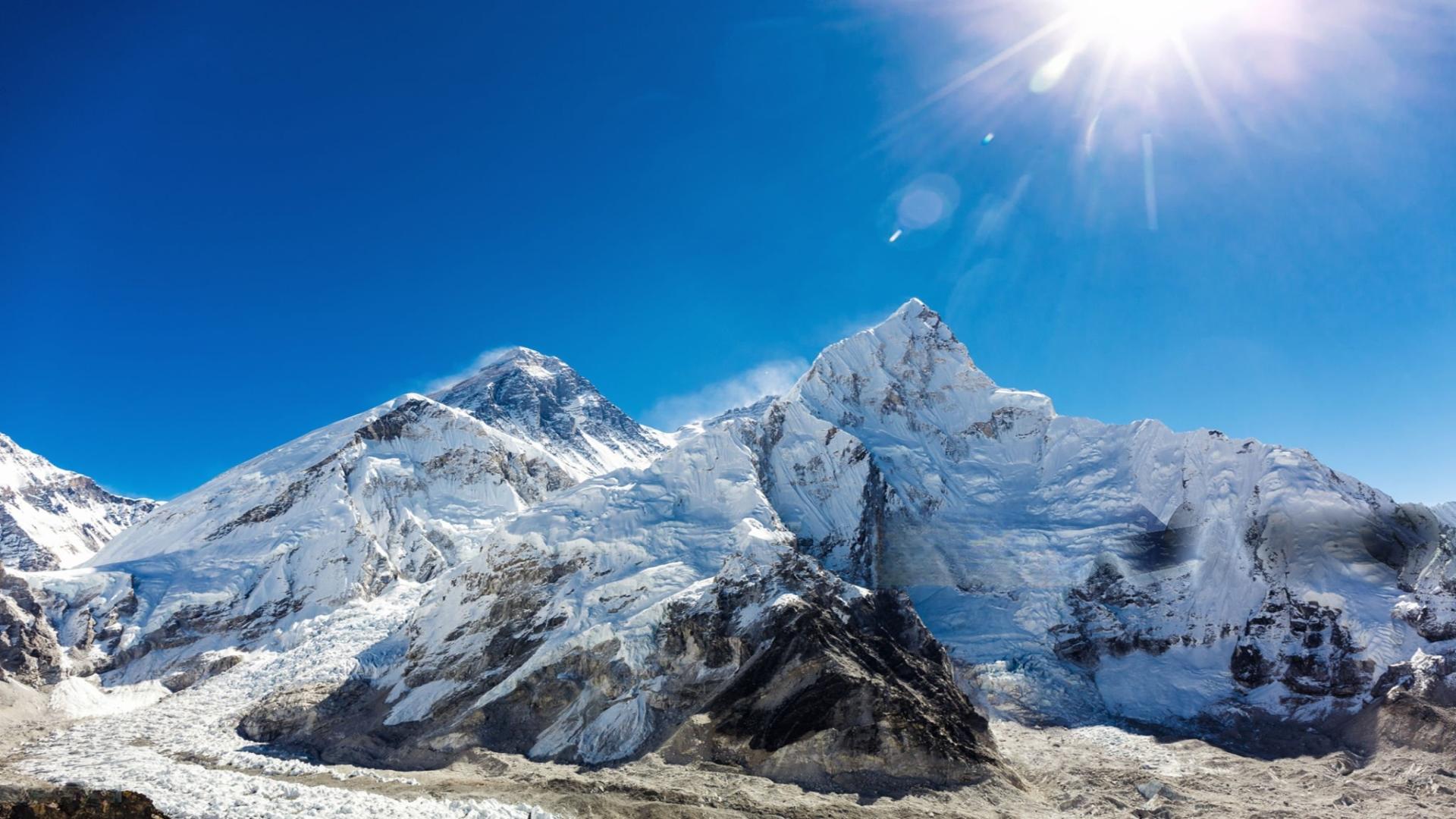
Everest Base Camp Trek 15 Nights 16 Days
Nepal
Overview
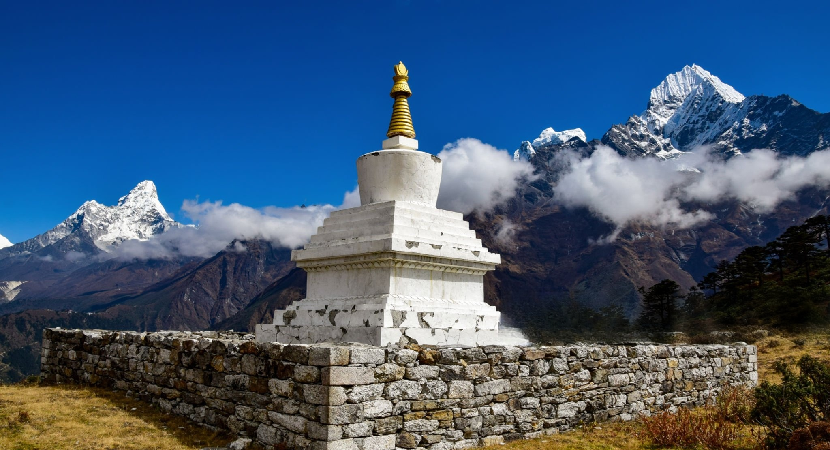
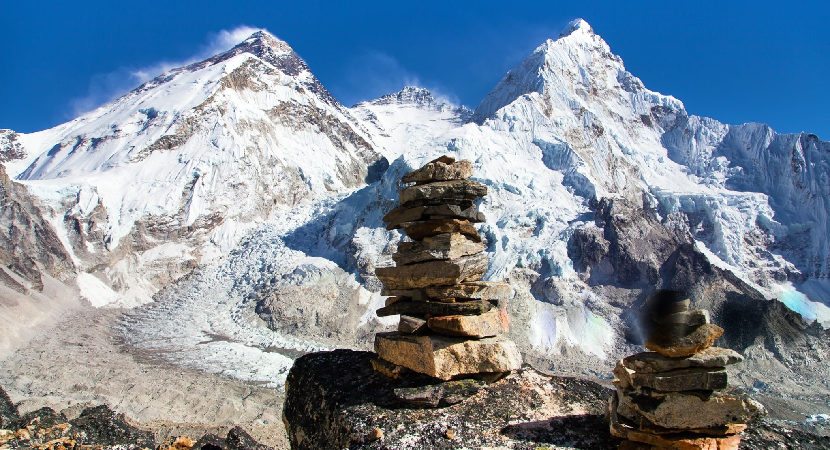
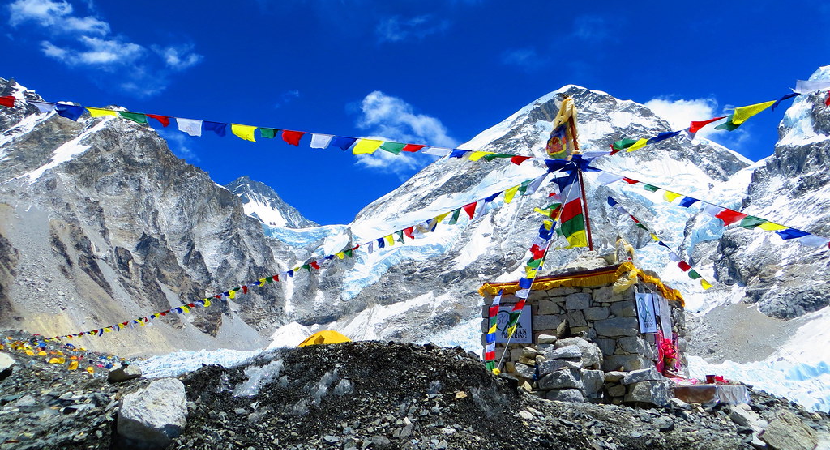
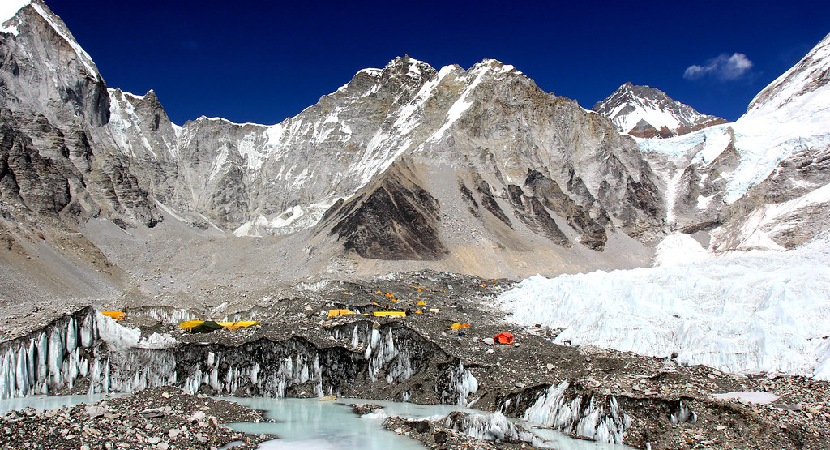
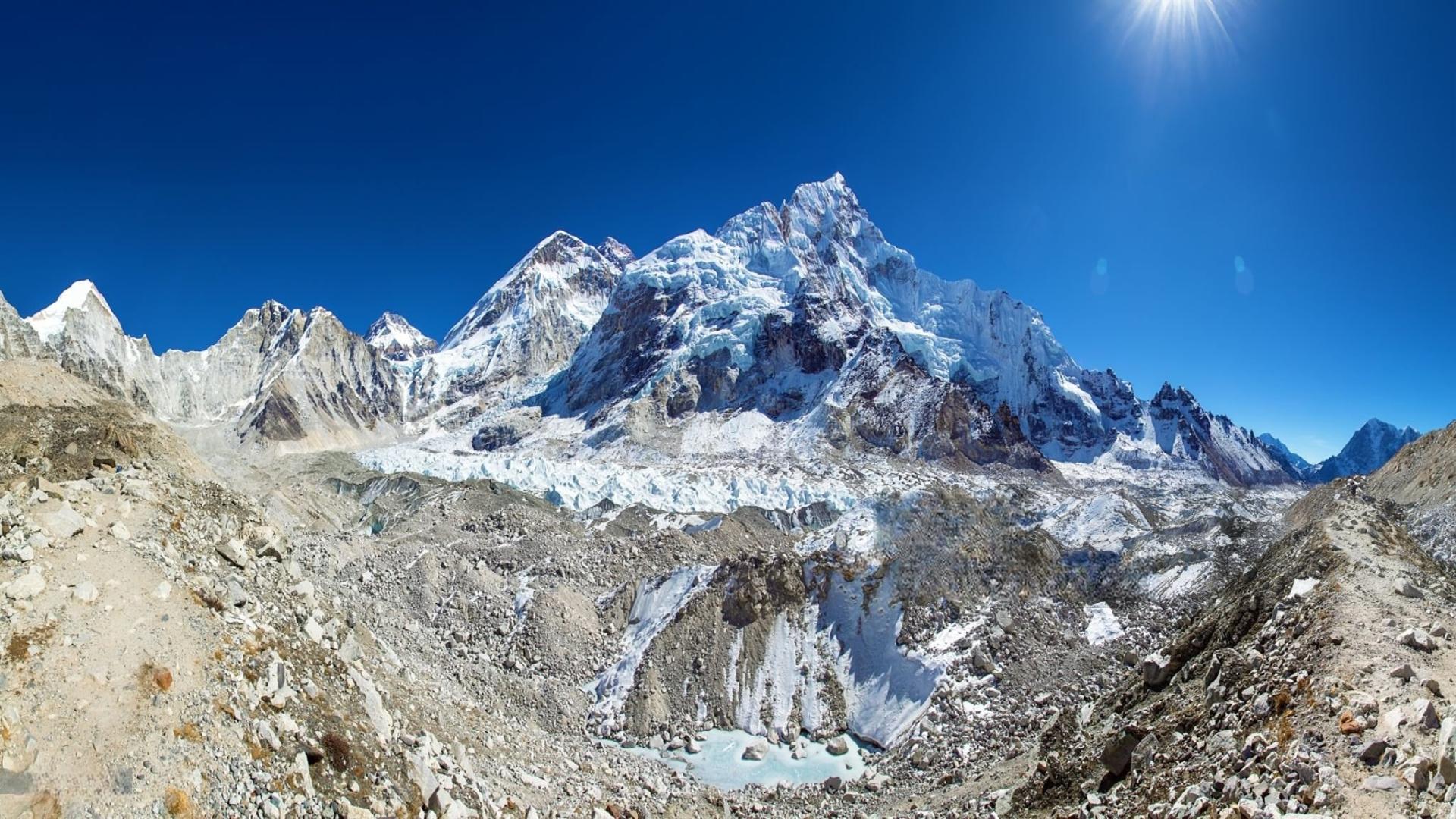
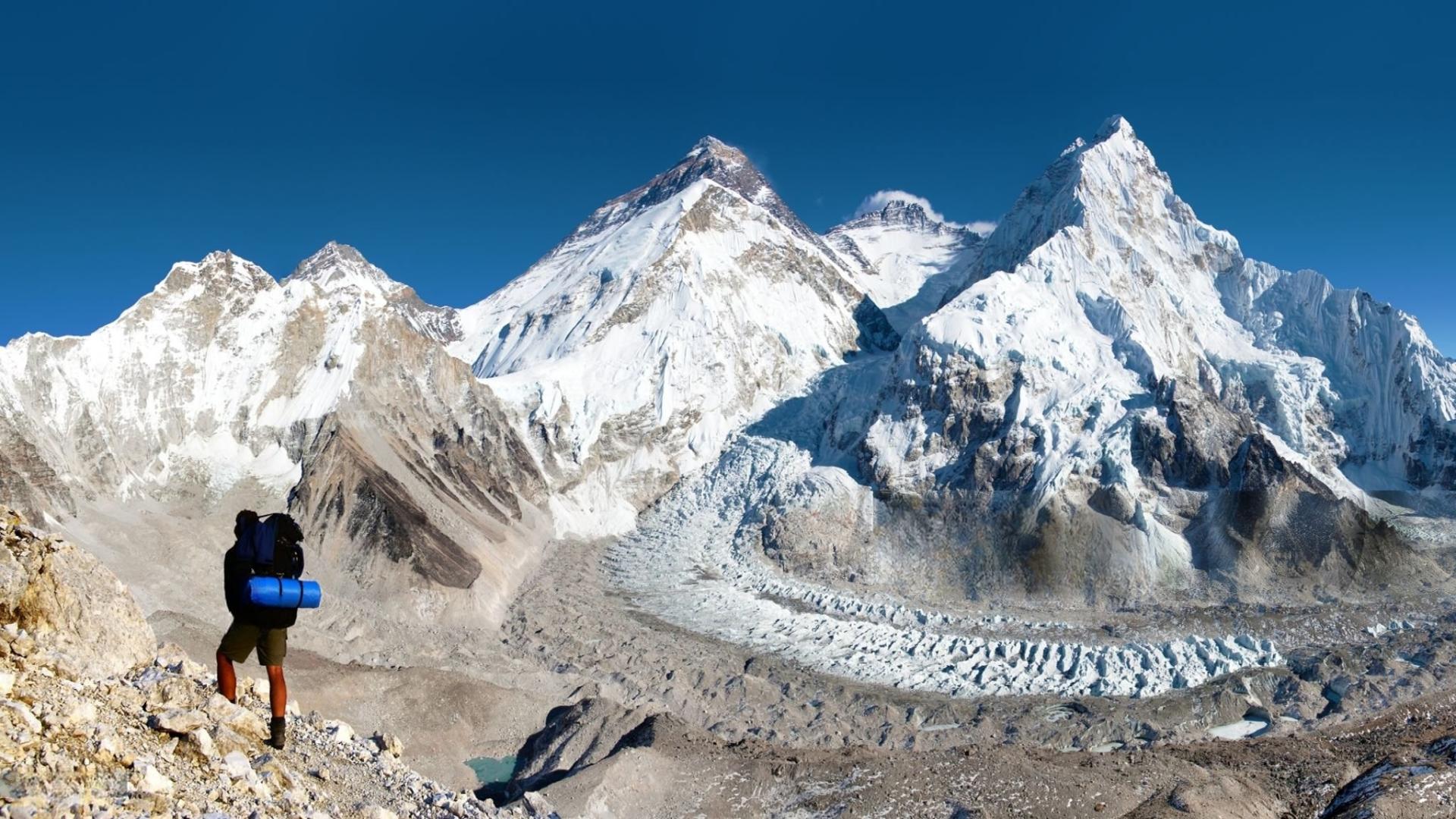
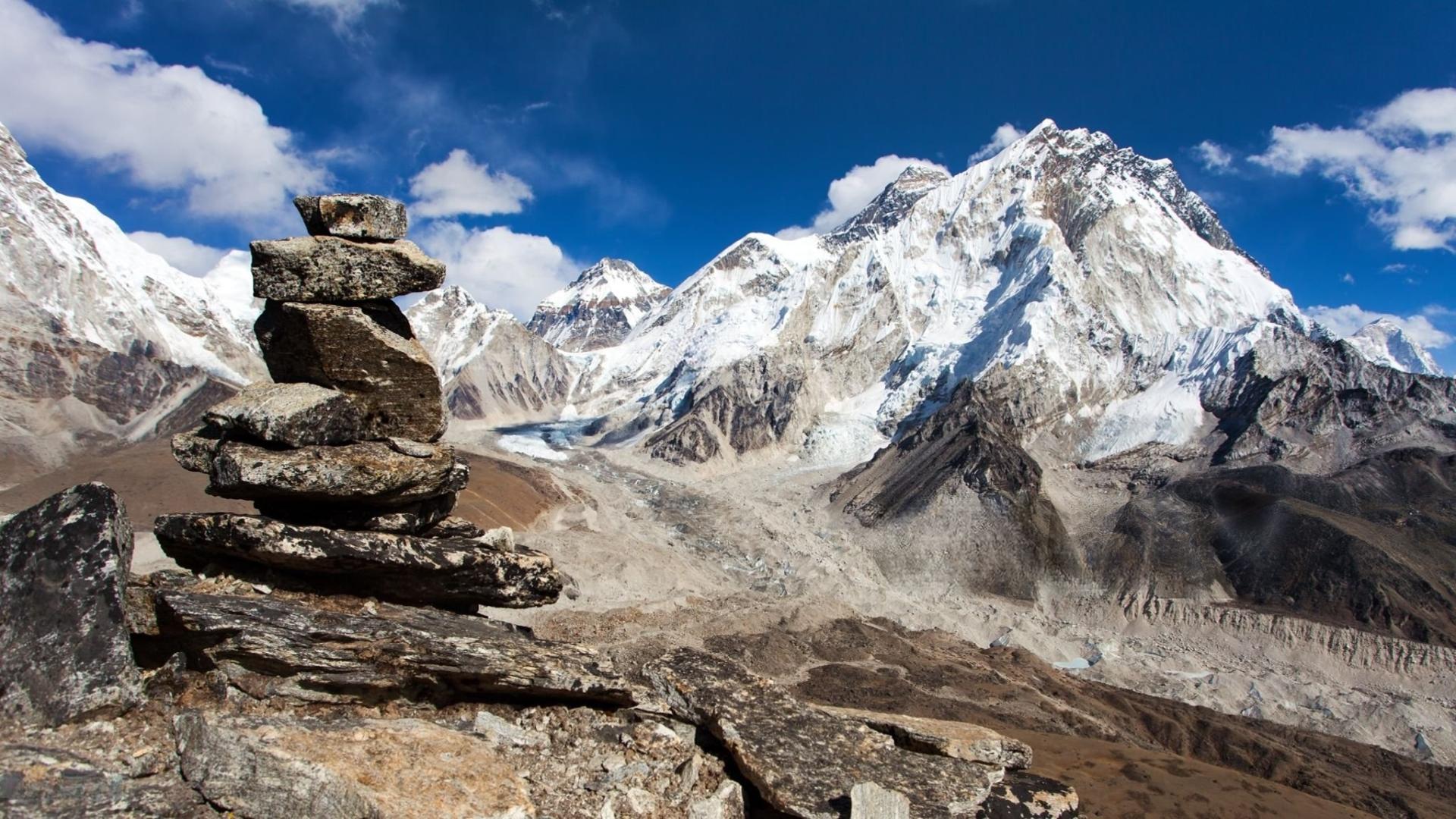
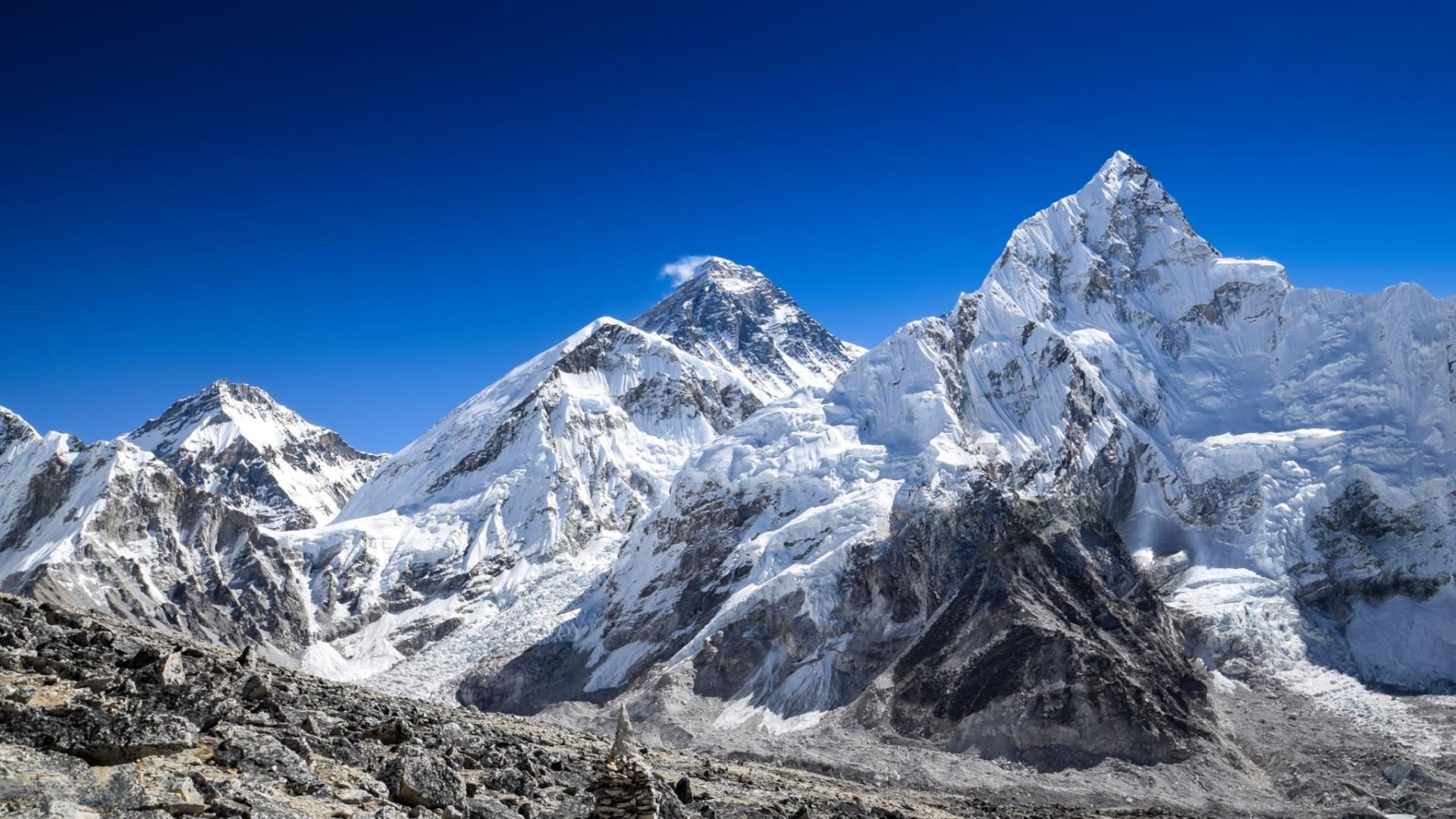
Everest Base Camp, situated at an altitude of 5,364 meters (17,598 feet), serves as the starting point for climbers attempting to summit Mount Everest. The trek to Base Camp is renowned for its breathtaking panoramic views of some of the highest Himalayan peaks, including Everest itself, Lhotse, Nuptse, and the iconic Ama Dablam. Along the route, trekkers pass through charming Sherpa villages known for their warm hospitality and rich cultural heritage. The trail also winds through lush forests and visits colorful Buddhist monasteries, providing insight into the spiritual life of the region. One of the key stops is Namche Bazaar, the vibrant trading hub of the Khumbu area, where trekkers can experience local markets and traditional cuisine. This journey offers a unique blend of natural beauty, cultural immersion, and physical challenge, making it an unforgettable adventure for those seeking to explore Nepal’s majestic Himalayan landscape.
Day to Day Itinerary
Upon arriving at Tribhuvan International Airport, you will be warmly greeted by our representative, who will assist you with your luggage and guide you through the arrival process. From there, you’ll be transferred to your pre-booked hotel, ensuring a smooth and comfortable start to your journey in Nepal.
Meals Included
-/-/-
Accommodation
Hotel
Your Himalayan adventure begins with an exhilarating morning flight from Kathmandu to Lukla (2,860m), where the plane's dramatic landing on the mountainside runway sets the tone for the journey ahead. After meeting your Sherpa team, the trek descends gently through fragrant pine forests alongside the Dudh Koshi River, its milky waters rushing over smooth boulders. The trail weaves past mani walls carved with sacred Buddhist mantras and through traditional villages where yaks graze in terraced fields. A highlight comes as you cross the Tarhe Khola suspension bridge, with Kusum Kanguru's snow-clad peak (6,369m) dominating the northern skyline. By mid-afternoon, you'll arrive in Phakding (2,610m), where cozy teahouses await beside the river's soothing murmur, the perfect introduction to Everest region trekking.
Meals Included
B/-/
Accommodation
Simple Lodge
The trail unfolds along the roaring Dudh Koshi, crossing five suspension bridges draped with prayer flags that flutter in the Himalayan wind. After passing Benkar’s terraced fields with Thamserku (6,608m) looming above, we enter Sagarmatha National Park at Monjo, where Sherpa women demonstrate traditional tsampa flour production using water-powered mills.
The real challenge begins after Jorsalle, a steep 600m ascent to Namche (3,440m) along switchbacks offering "Everest teaser" views. Kwangde’s razor-edged peaks dominate the eastern skyline while occasional clearings reveal Everest’s distant summit peeking between Nuptse and Lhotse. As we round the final bend, Namche’s colorful houses appear like a mirage, stacked dramatically in their natural amphitheater, a thriving Himalayan hub where yak caravans share narrow alleys with cozy bakeries and gear shops.
Meals Included
B/-/
Accommodation
Simple Lodge
Start your morning with a gentle climb to Sagarmatha National Park headquarters (3,700m), where panoramic views unfold across the Khumbu Valley - Ama Dablam's elegant pyramid, Everest's distant summit, and Thamserku's icy flanks dominate the skyline. The nearby museum showcases the region’s rich heritage through engaging exhibits, featuring historic climbing equipment from early Everest expeditions, traditional Sherpa cultural artifacts, and informative displays about local wildlife, including snow leopards and red pandas.After lunch at a café overlooking Namche's amphitheater of colorful rooftops, the afternoon offers leisurely exploration. Browse Tibetan handicrafts, sample fresh-baked pastries at world-famous bakeries, or simply relax with a book in the sunshine. As evening falls, join locals at the stone-paved plaza to hear tales of legendary Sherpa mountaineers while sipping butter tea - the perfect active rest day blending culture, history, and Himalayan splendor.
Meals Included
B/-/
Accommodation
Simple Lodge
The trail unveils Everest's mighty neighbors as you descend through rhododendron forests alive with wildlife, spot Nepal's colorful Danphe pheasants and watchful musk deer. After crossing the Imjaste River at Phungitenga, pause at a unique water-powered prayer wheel spinning ceaselessly in the mountain stream. The path then climbs through fragrant juniper groves to a sacred mani wall adorned with offerings, where Thamserku's icy face looms overhead.
Arriving at Tengboche (3,867m), the Himalayas unfold in full glory, Ama Dablam's elegant pyramid dominates the foreground while Everest's summit pierces the sky behind Nuptse's massive wall. The monastery's evening puja ceremony fills the valley with chanting and horn blasts, as golden light bathes the world's highest peaks in alpenglow.
Meals Included
B/-/
Accommodation
Simple Lodge
The trail moves through a fragrant mix of birch and rhododendron, emerging at Debouche (3,650m), where Ama Dablam’s icy flanks dominate the skyline. Passing a winding mani wall, the route crosses a small bridge before splitting. The upper path leads to Pangboche s ancient monastery, once home to a mysterious Yeti relic, while the lower trail continues toward Dingboche. A short detour to the village rewards trekkers with dramatic Himalayan vistas before rejoining the main path beneath Kantenga Peak’s rugged northern face.
The journey then weaves eastward, skirting Ama Dablam’s sheer walls before climbing to a hilltop stupa. The Imja Valley stretches ahead, with Island Peak shimmering like a jewel on the horizon. Stone-walled fields mark the approach to Dingboche, where barley sways in the wind, offering a tranquil pause in the heart of the high mountains.
Meals Included
B/-/
Accommodation
Simple Lodge
Start your morning with a visit to Dingboche's storied monastery, where legends of the mythical Yeti still linger among ancient Buddhist artifacts. Then embark on a gentle hike up the Imja Valley, following the turquoise glacial river toward Island Peak Base Camp. This strategic acclimatization walk offers unparalleled views of Ama Dablam's dramatic north face and the towering Lhotse-Nuptse wall, their icy slopes glowing in the morning light.
Return to Dingboche by midday for a well-earned rest. Spend your afternoon soaking in mountain vistas from the village's sunny terraces, washing trail-dusted clothes, or sipping hot lemon ginger tea at a cozy teahouse. This peaceful interlude prepares both body and spirit for the higher altitudes to come.
Meals Included
B/-/
Accommodation
Simple Lodge
The morning trail ascends gradually past a ridge dotted with chortens, unveiling Pheriche village cradled in the valley beneath. As you progress, the Himalayan giants dominate the skyline, Tawache's sharp ridges, Ama Dablam's curling glaciers, and Nuptse's massive wall glowing in the sunlight. After joining the main trail at Dugla (4,595m), pause for tea beside the Khumbu Glacier's milky streams, where the crunch of ice underfoot signals your approach to Everest's domain.
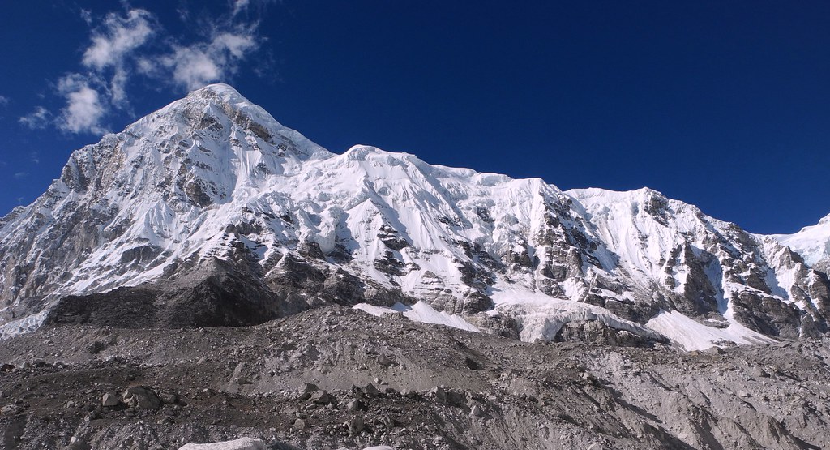
The final push to Lobuche (4,940m) ascends past memorials to fallen climbers, their prayer flags snapping in the thin air. Cresting the moraine, Pumori's pyramid comes into view as you descend into the wind-sheltered lodges of Lobuche, your high-altitude haven for the night, where steaming mugs of ginger tea await to ward off the evening chill.
Meals Included
B/-/
Accommodation
Simple Lodge
The glacier groans beneath us as dawn fingers pry apart night's grip, revealing our path through this kingdom of ice. The trail weaves between ice-scoured boulders and turquoise meltwater pools, where reflections of Pumori's imposing face shimmer like liquid mercury. By mid-morning, the windswept outpost of Gorak Shep (5,164m) emerges, a ghostly remnant of the original 1953 Everest expeditions, its dust-blown lodges dwarfed by Kalapatthar's dark pyramid.
Standing at this hallowed ground, the mountain's presence is palpable: the distant roar of avalanches on Nuptse's flanks, the rustle of expedition prayer flags, the crisp thin air carrying whispers of climbing legends. As daylight fades, we'll watch the Western Cwm glow crimson, a preview of tomorrow's journey to Everest Base Camp itself.
Meals Included
B/-/
Accommodation
Simple Lodge
We depart Gorak Shep before dawn, headlamps cutting through the freezing darkness (-15°C) as we ascend Kalapatthar's rocky spine. The final 400m push demands every ounce of determination, but reaching the summit (5,545m) at sunrise rewards us with Everest's crowning glory, the first golden light igniting the world's highest peak while the Khumbu Glacier snakes silver below. This 360° theater of giants showcases Nuptse's razor ridge, Pumori's perfect pyramid, and the treacherous Lho-La pass where Mallory vanished.
Descending past memorial chortens, we retreat to Pheriche's (4,371m) oxygen-rich valley, where the Himalayan Rescue Association clinic stands ready for altitude checks. As yak bells lull us to sleep, the imprinted image of that sunrise remains, a burning memory no photograph could capture.
Meals Included
B/-/
Accommodation
Simple Lodge
Our descent from the high Himalayas begins with a rejuvenating walk down the Imja Khola valley, where the air grows thicker with each step. Passing through Pangboche, we visit its ancient monastery, home to mystical relics and panoramic views of Ama Dablam's soaring ridges. The trail then winds through fragrant rhododendron forests to Khumjung (3,867m), Hillary's "green valley," where terraced fields of barley and potato surround traditional stone houses.
Arriving by mid-afternoon, we'll settle into a cozy lodge with its sunny garden, perfect for shedding layers and savoring the return to oxygen-rich air. Don't miss the chance to try Khumjung’s famous apple brandy, distilled from orchards planted by the Himalayan Trust, as the sunset paints Everest's distant summit pink.
Meals Included
B/-/
Accommodation
Simple Lodge
The last day of trekking opens with a serene ridge walk high above the Dudh Koshi, revealing breathtaking aerial views of Namche’s terraced amphitheater and Ama Dablam’s distant peak. The mountains release us gently, through cathedral pines alive with warbling thrushes, past startled pheasants exploding like sapphire fireworks from the brush. In Namche (3,440m), we pause for a final coffee at its cozy bakeries, savoring the last moments of mountain hospitality. Then, we retrace our journey downward, crossing familiar swaying suspension bridges, the rushing river below growing louder as we lose elevation. By the time we reach Phakding (2,610m), the air is warmer, the vegetation lush and vibrant, a comforting return to the valley, as if the mountains are gently releasing us back to the world below.
Meals Included
B/-/
Accommodation
Simple Lodge
Our last trekking day follows the Dudh Koshi's turquoise waters through vibrant rhododendron forests and past traditional villages. The trail blends gentle ascents with flat riverbank stretches, crossing familiar suspension bridges adorned with prayer flags that now feel like old friends. In Jorsalle, we'll pause at the national park checkpoint, where our permits get their final stamps, before the final climb through Chaurikharka's terraced fields to Lukla (2,860m).
Arriving by midday, we'll celebrate at a local lodge with Everest beers and nostalgic storytelling. The afternoon offers time to explore Lukla’s lively streets, visit the mountaineering memorials, or relax, our boots finally still after days of Himalayan wandering.
Meals Included
B/-/
Accommodation
Simple Lodge
The thunder of propellers jolts us awake at dawn, and Lukla’s infamous weather demands an early departure. As our Twin Otter leaps off the tilted runway, Everest's silhouette waves farewell through morning clouds. The 35-minute flight treats us to a final aerial show: terraced hillsides giving way to Kathmandu's urban sprawl.
By mid-morning, we're sipping fresh juice at our hotel, where hot showers and cotton sheets feel like luxuries. The afternoon unfolds slowly, sorting photos that barely capture the mountains' grandeur, repacking souvenirs (a singing bowl, prayer flags), and perhaps a massage for trail-weary muscles. As evening falls over the bustling city, we'll gather for a farewell dinner, our conversation still drifting back to icy passes and Sherpa hospitality. The Himalayas may fade from view, but their imprint on us remains as permanent as the snow on Everest's crown.
Meals Included
B/-/
Accommodation
Simple Lodge
Today’s itinerary showcases Kathmandu’s spiritual and historical gems, the revered Pashupatinath, the serene Boudhanath, and Bhaktapur’s UNESCO-listed Durbar Square, offering a glimpse into Nepal’s rich heritage.
Pashupatinath - Where Life and Eternity Meet: The Bagmati's holy waters mirror centuries of prayers as Pashupatinath's golden spires hum with devotion to Shiva, where smoke from pyres carries souls and saffron-clad priests chant ancient mantras. The air carries both the scent of incense and the solemnity of cremation rituals, offering a raw glimpse into Nepal's cycle of life and death. Priests chant, saffron-robed sadhus meditate, and the faithful gather in this sacred crossroads of mortality and faith.
Boudhanath- A Mandala of Peace: The great white stupa of Boudhanath rises like a celestial mountain, its golden spire piercing the sky. Pilgrims circle clockwise, spinning prayer wheels as fluttering mantras dissolve into the wind. In surrounding monasteries, the rhythmic drone of monks chanting blends with the clatter of teacups, creating a living tapestry of Tibetan Buddhism.
Bhaktapur - A Stone Chronicle of Kings: Time crystallizes in Bhaktapur's Durbar Square, where the 55-Window Palace's carved deities still watch over the city. The Nyatapola Temple's five-tiered majesty - each level guarded by stone strongmen - has withstood centuries, while the Vatsala Temple's legendary bell keeps barking at the heels of history. Every brick here whispers Newari glory.
Meals Included
B/-/
Accommodation
Simple Lodge
Your final Kathmandu morning includes breakfast and a smooth airport transfer. As the prayer wheels spin for your safe journey, we plant the seed for your next Nepal adventure.
Meals Included
B
Terms & Condition
Cancellation Policy

Everest Base Camp Trek 15 Nights 16 Days
Trekking Itinerary
Arrive in Kathmandu
Upon arriving at Tribhuvan International Airport, you will be warmly greeted by our representative, who will assist you with your luggage and guide you through the arrival process. From there, you’ll be transferred to your pre-booked hotel, ensuring a smooth and comfortable start to your journey in Nepal.
Fly to Lukla/ trek to Phakding (2652m/ 8701 ft), approx. 03hrs. Trek– Entering the Khumbu
Your Himalayan adventure begins with an exhilarating morning flight from Kathmandu to Lukla (2,860m), where the plane's dramatic landing on the mountainside runway sets the tone for the journey ahead. After meeting your Sherpa team, the trek descends gently through fragrant pine forests alongside the Dudh Koshi River, its milky waters rushing over smooth boulders. The trail weaves past mani walls carved with sacred Buddhist mantras and through traditional villages where yaks graze in terraced fields. A highlight comes as you cross the Tarhe Khola suspension bridge, with Kusum Kanguru's snow-clad peak (6,369m) dominating the northern skyline. By mid-afternoon, you'll arrive in Phakding (2,610m), where cozy teahouses await beside the river's soothing murmur, the perfect introduction to Everest region trekking.
Trek to Namche Bazaar (3,440m/ 11286 ft) 06-07 hours trek – Gateway to Everest
The trail unfolds along the roaring Dudh Koshi, crossing five suspension bridges draped with prayer flags that flutter in the Himalayan wind. After passing Benkar’s terraced fields with Thamserku (6,608m) looming above, we enter Sagarmatha National Park at Monjo, where Sherpa women demonstrate traditional tsampa flour production using water-powered mills.
The real challenge begins after Jorsalle, a steep 600m ascent to Namche (3,440m) along switchbacks offering "Everest teaser" views. Kwangde’s razor-edged peaks dominate the eastern skyline while occasional clearings reveal Everest’s distant summit peeking between Nuptse and Lhotse. As we round the final bend, Namche’s colorful houses appear like a mirage, stacked dramatically in their natural amphitheater, a thriving Himalayan hub where yak caravans share narrow alleys with cozy bakeries and gear shops.
Namche Acclimatization – Exploring the Sherpa Capital
Start your morning with a gentle climb to Sagarmatha National Park headquarters (3,700m), where panoramic views unfold across the Khumbu Valley - Ama Dablam's elegant pyramid, Everest's distant summit, and Thamserku's icy flanks dominate the skyline. The nearby museum showcases the region’s rich heritage through engaging exhibits, featuring historic climbing equipment from early Everest expeditions, traditional Sherpa cultural artifacts, and informative displays about local wildlife, including snow leopards and red pandas.After lunch at a café overlooking Namche's amphitheater of colorful rooftops, the afternoon offers leisurely exploration. Browse Tibetan handicrafts, sample fresh-baked pastries at world-famous bakeries, or simply relax with a book in the sunshine. As evening falls, join locals at the stone-paved plaza to hear tales of legendary Sherpa mountaineers while sipping butter tea - the perfect active rest day blending culture, history, and Himalayan splendor.
Trek to Tengboche (3,867m/ 12687 ft), 05 hours trek– Into the Heart of the Himalayas
The trail unveils Everest's mighty neighbors as you descend through rhododendron forests alive with wildlife, spot Nepal's colorful Danphe pheasants and watchful musk deer. After crossing the Imjaste River at Phungitenga, pause at a unique water-powered prayer wheel spinning ceaselessly in the mountain stream. The path then climbs through fragrant juniper groves to a sacred mani wall adorned with offerings, where Thamserku's icy face looms overhead.
Arriving at Tengboche (3,867m), the Himalayas unfold in full glory, Ama Dablam's elegant pyramid dominates the foreground while Everest's summit pierces the sky behind Nuptse's massive wall. The monastery's evening puja ceremony fills the valley with chanting and horn blasts, as golden light bathes the world's highest peaks in alpenglow.
Trek to Dingboche (4,358m/ 14298 ft) 05-06 hours trek– Valley of Giants
The trail moves through a fragrant mix of birch and rhododendron, emerging at Debouche (3,650m), where Ama Dablam’s icy flanks dominate the skyline. Passing a winding mani wall, the route crosses a small bridge before splitting. The upper path leads to Pangboche s ancient monastery, once home to a mysterious Yeti relic, while the lower trail continues toward Dingboche. A short detour to the village rewards trekkers with dramatic Himalayan vistas before rejoining the main path beneath Kantenga Peak’s rugged northern face.
The journey then weaves eastward, skirting Ama Dablam’s sheer walls before climbing to a hilltop stupa. The Imja Valley stretches ahead, with Island Peak shimmering like a jewel on the horizon. Stone-walled fields mark the approach to Dingboche, where barley sways in the wind, offering a tranquil pause in the heart of the high mountains.
Dingboche Acclimatization – Exploring the Imja Valley
Start your morning with a visit to Dingboche's storied monastery, where legends of the mythical Yeti still linger among ancient Buddhist artifacts. Then embark on a gentle hike up the Imja Valley, following the turquoise glacial river toward Island Peak Base Camp. This strategic acclimatization walk offers unparalleled views of Ama Dablam's dramatic north face and the towering Lhotse-Nuptse wall, their icy slopes glowing in the morning light.
Return to Dingboche by midday for a well-earned rest. Spend your afternoon soaking in mountain vistas from the village's sunny terraces, washing trail-dusted clothes, or sipping hot lemon ginger tea at a cozy teahouse. This peaceful interlude prepares both body and spirit for the higher altitudes to come.
Trek to Lobuche (4,928m/ 16168 ft) 06 hours trek – Ascending to the Khumbu
The morning trail ascends gradually past a ridge dotted with chortens, unveiling Pheriche village cradled in the valley beneath. As you progress, the Himalayan giants dominate the skyline, Tawache's sharp ridges, Ama Dablam's curling glaciers, and Nuptse's massive wall glowing in the sunlight. After joining the main trail at Dugla (4,595m), pause for tea beside the Khumbu Glacier's milky streams, where the crunch of ice underfoot signals your approach to Everest's domain.
The final push to Lobuche (4,940m) ascends past memorials to fallen climbers, their prayer flags snapping in the thin air. Cresting the moraine, Pumori's pyramid comes into view as you descend into the wind-sheltered lodges of Lobuche, your high-altitude haven for the night, where steaming mugs of ginger tea await to ward off the evening chill.
Trek to EBC and back to Gorakshep (5190m/ 18193) 06 -07 hours trek– Threshold of the Summit
The glacier groans beneath us as dawn fingers pry apart night's grip, revealing our path through this kingdom of ice. The trail weaves between ice-scoured boulders and turquoise meltwater pools, where reflections of Pumori's imposing face shimmer like liquid mercury. By mid-morning, the windswept outpost of Gorak Shep (5,164m) emerges, a ghostly remnant of the original 1953 Everest expeditions, its dust-blown lodges dwarfed by Kalapatthar's dark pyramid.
Standing at this hallowed ground, the mountain's presence is palpable: the distant roar of avalanches on Nuptse's flanks, the rustle of expedition prayer flags, the crisp thin air carrying whispers of climbing legends. As daylight fades, we'll watch the Western Cwm glow crimson, a preview of tomorrow's journey to Everest Base Camp itself.
Trek to Kalapatthar and back to Pheriche (4230m/ 13878 ft) 08 hours trek– Everest Unveiled
We depart Gorak Shep before dawn, headlamps cutting through the freezing darkness (-15°C) as we ascend Kalapatthar's rocky spine. The final 400m push demands every ounce of determination, but reaching the summit (5,545m) at sunrise rewards us with Everest's crowning glory, the first golden light igniting the world's highest peak while the Khumbu Glacier snakes silver below. This 360° theater of giants showcases Nuptse's razor ridge, Pumori's perfect pyramid, and the treacherous Lho-La pass where Mallory vanished.
Descending past memorial chortens, we retreat to Pheriche's (4,371m) oxygen-rich valley, where the Himalayan Rescue Association clinic stands ready for altitude checks. As yak bells lull us to sleep, the imprinted image of that sunrise remains, a burning memory no photograph could capture.
Trek to Khumjung (3790 m/ 12434 ft), 6 hours trek– Return to the Green Valley
Our descent from the high Himalayas begins with a rejuvenating walk down the Imja Khola valley, where the air grows thicker with each step. Passing through Pangboche, we visit its ancient monastery, home to mystical relics and panoramic views of Ama Dablam's soaring ridges. The trail then winds through fragrant rhododendron forests to Khumjung (3,867m), Hillary's "green valley," where terraced fields of barley and potato surround traditional stone houses.
Arriving by mid-afternoon, we'll settle into a cozy lodge with its sunny garden, perfect for shedding layers and savoring the return to oxygen-rich air. Don't miss the chance to try Khumjung’s famous apple brandy, distilled from orchards planted by the Himalayan Trust, as the sunset paints Everest's distant summit pink.
Trek to Phakding (2610m/8701ft), 7 hours trek– Gentle Return to the Valley
The last day of trekking opens with a serene ridge walk high above the Dudh Koshi, revealing breathtaking aerial views of Namche’s terraced amphitheater and Ama Dablam’s distant peak. The mountains release us gently, through cathedral pines alive with warbling thrushes, past startled pheasants exploding like sapphire fireworks from the brush. In Namche (3,440m), we pause for a final coffee at its cozy bakeries, savoring the last moments of mountain hospitality. Then, we retrace our journey downward, crossing familiar swaying suspension bridges, the rushing river below growing louder as we lose elevation. By the time we reach Phakding (2,610m), the air is warmer, the vegetation lush and vibrant, a comforting return to the valley, as if the mountains are gently releasing us back to the world below.
Trek to Lukla (2860 m/ 9383 ft), 5 hours trek– Final Steps of the Journey
Our last trekking day follows the Dudh Koshi's turquoise waters through vibrant rhododendron forests and past traditional villages. The trail blends gentle ascents with flat riverbank stretches, crossing familiar suspension bridges adorned with prayer flags that now feel like old friends. In Jorsalle, we'll pause at the national park checkpoint, where our permits get their final stamps, before the final climb through Chaurikharka's terraced fields to Lukla (2,860m).
Arriving by midday, we'll celebrate at a local lodge with Everest beers and nostalgic storytelling. The afternoon offers time to explore Lukla’s lively streets, visit the mountaineering memorials, or relax, our boots finally still after days of Himalayan wandering.
Fly from Lukla to Kathmandu – Homeward Bound
The thunder of propellers jolts us awake at dawn, and Lukla’s infamous weather demands an early departure. As our Twin Otter leaps off the tilted runway, Everest's silhouette waves farewell through morning clouds. The 35-minute flight treats us to a final aerial show: terraced hillsides giving way to Kathmandu's urban sprawl.
By mid-morning, we're sipping fresh juice at our hotel, where hot showers and cotton sheets feel like luxuries. The afternoon unfolds slowly, sorting photos that barely capture the mountains' grandeur, repacking souvenirs (a singing bowl, prayer flags), and perhaps a massage for trail-weary muscles. As evening falls over the bustling city, we'll gather for a farewell dinner, our conversation still drifting back to icy passes and Sherpa hospitality. The Himalayas may fade from view, but their imprint on us remains as permanent as the snow on Everest's crown.
Full-day Sightseeing in Kathmandu
Today’s itinerary showcases Kathmandu’s spiritual and historical gems, the revered Pashupatinath, the serene Boudhanath, and Bhaktapur’s UNESCO-listed Durbar Square, offering a glimpse into Nepal’s rich heritage.
Pashupatinath - Where Life and Eternity Meet: The Bagmati's holy waters mirror centuries of prayers as Pashupatinath's golden spires hum with devotion to Shiva, where smoke from pyres carries souls and saffron-clad priests chant ancient mantras. The air carries both the scent of incense and the solemnity of cremation rituals, offering a raw glimpse into Nepal's cycle of life and death. Priests chant, saffron-robed sadhus meditate, and the faithful gather in this sacred crossroads of mortality and faith.
Boudhanath- A Mandala of Peace: The great white stupa of Boudhanath rises like a celestial mountain, its golden spire piercing the sky. Pilgrims circle clockwise, spinning prayer wheels as fluttering mantras dissolve into the wind. In surrounding monasteries, the rhythmic drone of monks chanting blends with the clatter of teacups, creating a living tapestry of Tibetan Buddhism.
Bhaktapur - A Stone Chronicle of Kings: Time crystallizes in Bhaktapur's Durbar Square, where the 55-Window Palace's carved deities still watch over the city. The Nyatapola Temple's five-tiered majesty - each level guarded by stone strongmen - has withstood centuries, while the Vatsala Temple's legendary bell keeps barking at the heels of history. Every brick here whispers Newari glory.
Final departure
Your final Kathmandu morning includes breakfast and a smooth airport transfer. As the prayer wheels spin for your safe journey, we plant the seed for your next Nepal adventure.
Frequently Asked Questions
How difficult is the Everest Base Camp trek?
What is the best time to do the Everest Base Camp trek?
Do I need a special permit for this trek?
What type of accommodation is available on the trek?
Is there Wi-Fi and charging available on the route?
How is the food during the trek?
What is the risk of altitude sickness?
Do I need travel insurance?
Can I charge my devices and use mobile networks?
Is it possible to hire trekking gear in Kathmandu?
Include & Exclude
- Arrival and Departure transfer.
- 03nights accommodation at Hotel Kathmandu on a double/twin room on a BB plan.
- Airfare Kathmandu/Lukla/Kathmandu included.
- 12nights/13days accommodation in a simple lodge/tea house during trek on a BB plan.
- Trek will be accompanied by English-speaking local staff and porter (1 porter for every 2 guests/ carrying up to 30kg).
- All surface transfers as per the itinerary by private a/c vehicle equipped with bottled water & wet tissues.
- Everest Conservation Fees/VDC Tax and TIMS card.
- Insurance and required transportation for support staff.
- Insurance and required transportation for support staff.
- Domestic and International airfare and associated taxes (quoted separately).
- Meals not specified in the itinerary.
- Refreshments/tips/bottled drinks/and bar bills.
- Insurance and costs related to rescue operations of any kind.
- Expenses resulting from flight cancellations/road blockages/landslides or other circumstances beyond our control.
- Personal expenses and any other costs not mentioned in the included services.
- Gratitude for trekking staff/ trek leader/ city guides and drivers.
- Excess baggage fees.
- Personal travel insurance (comprehensive coverage is strongly recommended/ including trip cancellation/ loss of valuables/ theft/ illness/ accidents/ and hospitalization.
- Supplementary food supplies during the trek/ such as freshly ground coffee and Darjeeling tea.
Things To Know
- Hydration is key – Drink 3–4 liters of water daily to help acclimatize.
- Walk slowly – The “Bistari, bistari” (slowly, slowly) pace is the golden rule at altitude.
- Avoid alcohol – Until after your descent, as it dehydrates and hinders acclimatization.
- Respect local culture – Always walk clockwise around mani stones and stupas.
- Cash is king – ATMs are available only up to Namche Bazaar. Carry enough Nepali rupees.
- Weather changes fast – Layer your clothing to adapt quickly to temperature shifts.
- Bring altitude medication – Consult your doctor about Diamox or similar preventive medicine.
- Tipping – Common practice; guides and porters typically receive a collective tip at the end.
- Pack light but smart – The porter limit is usually 10–12 kg per trekker.
- Enjoy the journey – Take your time, interact with locals, and absorb the spiritual energy of the Himalayas.
Things To Carry
- Down jacket & fleece layers (for warmth above 3,000m)
- Waterproof trekking boots with good ankle support
- Sleeping bag (rated to –15°C or lower)
- Thermal base layers (top and bottom)
- Trekking poles for stability on rocky paths
- Headlamp with extra batteries
- Reusable water bottles & purification tablets (or SteriPEN)
- First aid kit including altitude sickness medication
- Power bank and charging cables
- Sun protection kit (sunglasses, hat, sunscreen SPF 50+)